

Support Resources During Chemotherapy
By Dr. Elise Carter / Jan 28
Did you know that combining chemotherapy with other treatments can significantly improve treatment outcomes? Understanding the interplay between various cancer therapies is crucial for patients navigating their treatment journey. Here’s what you can learn about the power of combination therapies.
Combination therapies are a strategic approach in cancer treatment, designed to enhance effectiveness and overcome challenges like drug resistance. Below is a visual representation of the key rationales and common combinations.
Why combine? To maximize impact.
Different approaches for varied cancers.
When facing a cancer diagnosis, the journey can feel daunting and filled with uncertainties. One question I often hear from patients is, “Can chemotherapy be combined with other treatments?” The answer is a resounding yes! Combining chemotherapy with other therapies can enhance treatment effectiveness, and it’s essential for patients to understand what to expect. This approach can provide a more comprehensive strategy in fighting cancer.
By exploring combination therapies, patients can gain insights into how different treatments work together. For example, chemotherapy paired with surgery or radiation may offer improved outcomes. The NCCN Clinical Practice Guidelines in Oncology provide valuable information on these integrated approaches, equipping patients with knowledge and reassuring them during their treatment journey.
Many patients have specific concerns regarding combination therapies. Here are some key questions I frequently encounter:
Addressing these questions is crucial because they help in making informed decisions. Patients deserve clear, accessible information that can help them feel empowered as they navigate their treatment options.
Combining chemotherapy with other cancer treatments can significantly enhance the effectiveness of the overall treatment plan. This synergy can help target cancer cells from multiple angles. For instance, chemotherapy may work to shrink tumors, while radiation can destroy remaining cells. It's a coordinated effort aimed at maximizing patient outcomes.
One of the primary reasons for combining therapies is to reduce drug resistance. Cancer cells can sometimes become resistant to a single treatment, making it less effective over time. By utilizing a combination, we're able to target different pathways and mechanisms of action within the cancer cells. Here’s how:
This comprehensive approach not only improves the chances of treatment success but also helps in keeping the cancer at bay. Have you thought about how these strategies might apply to your treatment plan?
There are several common combinations of chemotherapy with other treatments that patients should be aware of. These include:
Understanding these combinations can provide clarity on what to expect during treatment. It’s about finding the right mix to combat cancer effectively!
As cancer treatment evolves, we are seeing exciting developments in immunotherapy and targeted therapy. These therapies can significantly enhance the efficacy of traditional chemotherapy treatments. For example, immunotherapy works by boosting the body's immune response to fight cancer cells, while targeted therapy focuses on specific characteristics of the cancer, potentially reducing side effects. Recent research, such as that published on PMC NCBI, highlights the growing importance of these innovative combinations.
These innovative approaches can lead to better outcomes for patients. It's important to discuss these options with your healthcare team, as they might provide additional avenues for your treatment plan. Have you considered how integrating these therapies could change your treatment experience?
Combination therapies are used to enhance treatment effectiveness by targeting cancer cells from multiple angles, reducing drug resistance, and achieving a greater overall impact than individual treatments alone.
Common combinations include chemotherapy with surgery (to shrink tumors), radiation (for dual cell targeting), and hormonal therapy (for hormone-sensitive cancers).
Immunotherapy boosts the body's immune response against cancer, while targeted therapy focuses on specific cancer characteristics. Both can be integrated with chemotherapy to improve efficacy and potentially reduce side effects, leading to better patient outcomes.
By targeting different pathways and mechanisms of action within cancer cells, combining treatments makes it harder for cancer cells to adapt and become resistant to a single therapy, thus improving the long-term effectiveness of the treatment.
Active patient engagement, including discussing treatment options and concerns with the healthcare team, ensures that the treatment plan aligns with individual needs and preferences, leading to more informed decisions and a more confident journey through cancer treatment.
What do you think about combining chemotherapy with other treatments? Share your thoughts below:
As we wrap up our discussion on the significance of combining chemotherapy with other treatments, it’s crucial to emphasize the value of being informed about your options. Understanding the various combination therapies can empower you as a patient, enabling you to engage in meaningful conversations with your healthcare providers. Knowledge is your ally in this journey, helping you navigate the complexities of treatment decisions.
During these discussions, don't hesitate to ask questions or voice your concerns. How does a combination therapy align with your treatment goals? What are the potential benefits and risks? These are essential questions that can lead to a clearer understanding and a more personalized treatment plan.
At Types of Chemotherapy, we believe that being proactive in your treatment decisions can significantly impact your experience. Patients who understand their treatment options are more likely to feel confident and engaged throughout their cancer journey. Be sure to consider the following key points:
Engaging in these discussions not only enhances your understanding but also fosters a collaborative relationship with your healthcare team, which is vital for your overall well-being.
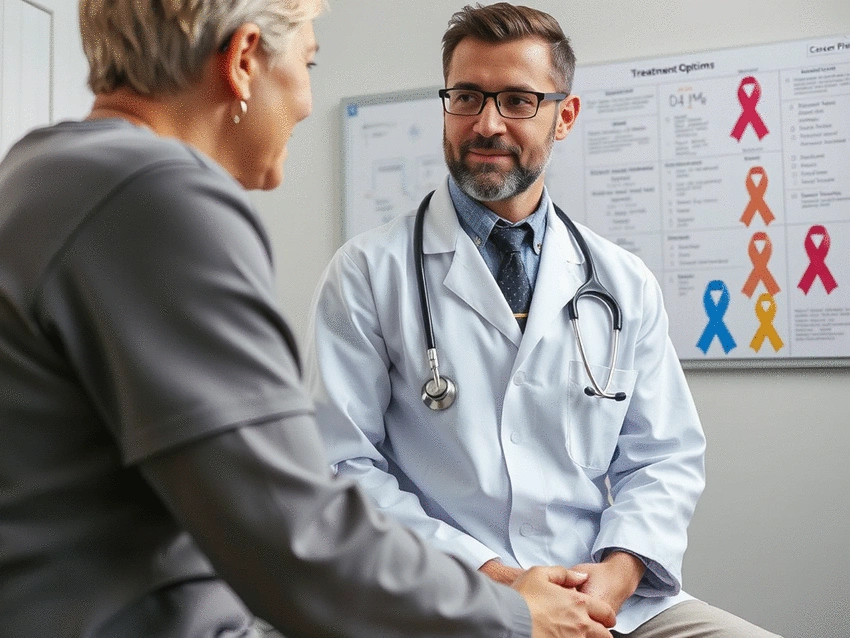
Open communication with your healthcare team is one of the best practices you can adopt. It allows you to express your feelings, ask questions, and voice your preferences regarding treatment. Remember, your healthcare team is there to support you! Don't hesitate to reach out to:
By maintaining ongoing communication, you can ensure that your treatment plan aligns with your needs and preferences, paving the way for a smoother path through your cancer experience.
As we look towards the future, the landscape of combination therapies in cancer treatment is indeed promising! New research is constantly emerging, focusing on enhancing the efficacy of traditional chemotherapy through innovative combinations. Some key trends to watch for include:
These developments may pave the way for improved treatment outcomes, offering hope and new possibilities for patients facing cancer. Staying informed about these trends can empower you to engage in discussions about your treatment options effectively.
Here is a quick recap of the important points discussed in the article:
By Dr. Elise Carter / Jan 28
By Dr. Elise Carter / Jan 28
By Dr. Elise Carter / Jan 25