
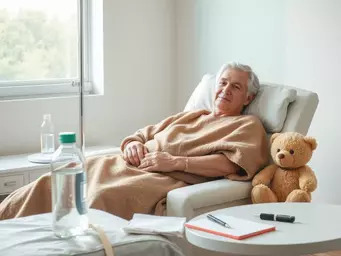
Chemotherapy and Relationships: Maintaining Bonds with Family and Friends

Chemotherapy's Impact on Relationships

Have you ever considered how a cancer diagnosis can reshape the relationships around you? The emotional toll of chemotherapy reaches far beyond individual experiences, impacting family dynamics and friendships. Understanding these shifts can empower you to navigate these connections with compassion and resilience.

What You Will Learn

  • Chemotherapy can heighten emotional sensitivity, affecting communication with loved ones.
  • Peer support groups can significantly improve emotional health and foster a sense of community.
  • Cancer's psychological impacts often lead to role changes and heightened fears among family members.
  • Prioritizing open communication is crucial for maintaining strong relationships during treatment.
  • Engaging in shared activities and regular catch-ups can help strengthen bonds post-treatment.
  • Virtual support networks provide essential connections and understanding for those recovering from chemotherapy.
  • Implementing effective coping mechanisms, such as mindfulness and professional support, enhances emotional resilience.

The Impact of Chemotherapy on Relationships

Chemotherapy affects relationships in various ways, from emotional connections to family dynamics and the need for support. This visual highlights key aspects of these influences and strategies for navigating them.

Emotional Impact on Connections

  • Increased Sensitivity

  • Communication Changes

  • Increased Support Needs

*Open communication is key to bridging these gaps.

Psychological Impact on Relationships

  • Fear of Loss (family)

  • Shifting Role Dynamics

  • Caregiver Resentment

*Compassion and open discussion are vital.

Strategies for Strengthening Bonds

  • Plan Regular Catch-ups

  • Share Recovery Journey

  • Engage in Shared Activities

*Nurturing connections enhances healing.

Benefits of Peer Support

  • Shared Experiences

  • Emotional Understanding

  • Motivation & Hope

*Better emotional health and reduced isolation.

Virtual Support Networks

  • Online Forums

  • Virtual Support Groups

  • Social Media Communities

*Connects you with others, reduces isolation.

Coping Mechanisms for Stress

  • Practice Mindfulness

  • Stay Physically Active

  • Seek Professional Help

*Enhances emotional resilience post-treatment.

Understanding the Impact of Chemotherapy on Relationships

When you or a loved one is diagnosed with cancer, the impact of chemotherapy stretches far beyond the individual undergoing treatment. Relationships often undergo significant changes during this time. Have you noticed how emotional connections with family and friends can shift in the wake of a diagnosis? Understanding this impact can help you navigate these relationships more effectively.

As an oncologist, I’ve seen firsthand how chemotherapy can challenge even the strongest bonds. The stress of treatment can lead to feelings of isolation, misunderstandings, and sometimes even tension among loved ones. It’s essential to recognize these shifts and find ways to maintain those connections.

How Chemotherapy Affects Emotional Connections with Family and Friends

Chemotherapy can bring a whirlwind of emotions that affect how you connect with those around you. Common feelings like fear, anxiety, and uncertainty can create barriers in communication. Research, such as that published in PMC NCBI, indicates that the emotional sensitivity during treatment can significantly impact these interactions. Consider these key aspects:

  • Increased Sensitivity: The emotional load of treatment can make you more sensitive to the reactions of family and friends.
  • Communication Changes: Discussions may become centered around treatment, leading to less sharing of daily life experiences.
  • Support Needs: Your need for support may increase, leading to tensions if family members don't understand or can't provide what you need.

Emphasizing open communication can bridge gaps created by these feelings. Have you found talking to someone about your experience helped ease your worries? Sharing can pave the way for deeper understanding among your loved ones.

Peer Support and Its Role in Improving Survival Rates

Engaging with a peer support group can make a world of difference. Studies show that patients who connect with others facing similar challenges often report better emotional health. For instance, research in Frontiers in Psychology highlights the significant role of social support in coping with cancer. Here’s why:

  • Shared Experiences: Connecting with peers allows you to share experiences that family and friends may not fully grasp.
  • Emotional Support: Having others who understand can provide a sense of community and reduce feelings of isolation.
  • Motivation: Hearing success stories from fellow cancer warriors can inspire hope and resilience.

Have you considered joining a support group? It can be a powerful step in reclaiming your emotional well-being during this challenging time.

The Psychological Impact of Cancer on Relationships

It's important to acknowledge that cancer is not just a physical illness; it has profound psychological effects that ripple through relationships. Emotional stress can manifest in various ways:

  • Fear of Loss: Family members may feel anxious about losing you, leading to heightened emotional responses.
  • Role Changes: The dynamics of family roles can shift, leading to confusion and sometimes conflict.
  • Resentment: Family members might struggle with the burden of caregiving, which can lead to feelings of resentment if not addressed.

Understanding these psychological impacts can help you approach interactions with compassion. For example, research from Ohio State University suggests that couple satisfaction can influence cognitive issues during chemotherapy, underscoring the interconnectedness of emotional well-being and relationships. Have you noticed these changes in your relationships? Recognizing and discussing them openly can lead to healing and stronger bonds.

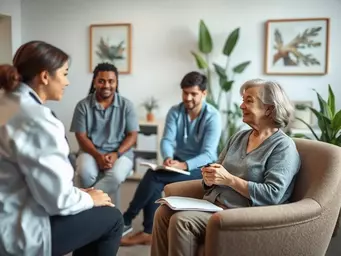
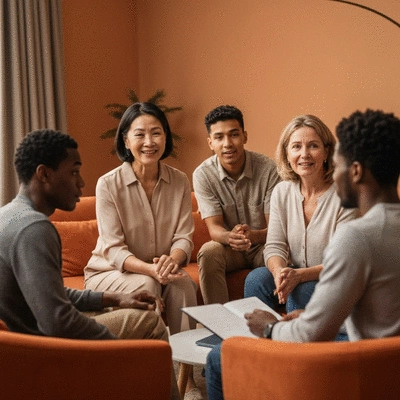
A diverse group of people engaged in a support group discussion, showing empathy and active listening

Navigating Family Dynamics During Cancer Treatment

As you progress through your treatment journey, family dynamics can be particularly challenging. Learning how to support each other during this time is essential for maintaining healthy relationships.

Let’s explore some effective strategies for ensuring that your family remains a source of strength and love.

Pro Tip

During chemotherapy, it's essential to establish a clear line of communication with your loved ones. Consider setting aside time each week to discuss your feelings and needs openly. This proactive approach can help foster understanding and reduce feelings of isolation, making your journey a bit easier for both you and your family.

Frequently Asked Questions About Chemotherapy and Relationships

Here are some common questions and answers regarding the impact of chemotherapy on relationships:

Q: How does chemotherapy typically affect emotional connections?
A: Chemotherapy can heighten emotional sensitivity, alter communication patterns, and increase a patient's need for support, potentially leading to misunderstandings or tension if not addressed with open communication.
Q: What role do peer support groups play during chemotherapy?
A: Peer support groups provide a safe space for patients to share experiences, receive emotional understanding from others facing similar challenges, and gain motivation and hope, which can significantly improve emotional health and reduce feelings of isolation.
Q: What are the psychological impacts of cancer on family relationships?
A: Cancer can lead to fear of loss among family members, cause shifts in family role dynamics, and sometimes result in caregiver resentment. Open discussion and compassion are vital to navigate these changes.
Q: What strategies can strengthen bonds with loved ones during and after treatment?
A: Planning regular catch-ups, openly sharing your recovery journey, and engaging in shared activities can help reinforce bonds and create joyful memories, fostering a supportive network.
Q: How can virtual support networks help those recovering from chemotherapy?
A: Virtual support networks, including online forums, virtual support groups, and social media communities, provide essential connections and understanding, helping to reduce feelings of isolation and offering comfort from others who share similar experiences.
Q: What coping mechanisms are effective for managing stress during recovery?
A: Practicing mindfulness, staying physically active, and seeking professional help such as therapy can enhance emotional resilience and help manage stress during the recovery phase.
A couple holding hands, symbolizing support and connection during a challenging time

Strategies for Sustaining Relationships Through Treatment and Beyond

When navigating the journey of chemotherapy, sustaining relationships becomes vital, not just for emotional support but for overall well-being. It's crucial to develop strategies that help nurture these connections during treatment and in the recovery phase. In my experience as an oncologist, I’ve seen how these bonds can significantly impact a patient's journey, offering strength and solace through challenging times.

One effective approach is to prioritize communication. Letting your loved ones know what you're going through can foster understanding and compassion. Additionally, taking time to reconnect with friends and family post-treatment plays a key role in healing and can lead to strengthened relationships.

Long-term Recovery: Strengthening Bonds After Chemotherapy

Recovering from chemotherapy is not just about regaining physical health; it’s also about nurturing relationships. Here are some strategies to consider:

  • Plan regular catch-ups – Schedule time to connect with loved ones, whether in-person or virtually. Consistent interactions help reinforce bonds.
  • Share your recovery journey – Open up about your feelings and experiences. This transparency can deepen trust and empathy.
  • Engage in shared activities – Find hobbies or interests to enjoy together, which can create joyful memories and strengthen connections.

By implementing these strategies, you can create a supportive network that enhances both your healing process and your relationships.

Engaging with Virtual Support Networks for Continued Connection

In today’s digital age, virtual support networks can be a lifeline for those recovering from chemotherapy. Connecting with others who share similar experiences can provide comfort and understanding. Here are some ways to engage:

  • Join online forums – Many platforms offer spaces for cancer patients to share their journeys and offer advice.
  • Participate in virtual support groups – These groups can provide a safe environment to discuss feelings and challenges.
  • Utilize social media – Platforms like Facebook and Instagram have communities dedicated to cancer support that can help you feel less isolated.

These virtual connections can play a crucial role in your recovery, reminding you that you’re not alone on this journey.

Coping Mechanisms for Managing Stress During Recovery

Recovery can bring about stress and emotional challenges. It's essential to have effective coping mechanisms in place to help you navigate these feelings:

  • Practice mindfulness – Techniques like meditation and deep breathing can help ground you during stressful moments.
  • Stay active – Physical activity can boost your mood and energy levels, promoting overall well-being.
  • Seek professional help – Don't hesitate to reach out to a mental health professional if you're feeling overwhelmed. Therapy can provide valuable strategies for coping.

Implementing these coping mechanisms can enhance your emotional resilience and support your relationships as you transition into life after treatment.

Recap of Key Points

Here is a quick recap of the important points discussed in the article:

  • Emotional Shifts: Chemotherapy can lead to increased sensitivity and communication changes, impacting relationships with loved ones.
  • Peer Support: Engaging with peer support groups can enhance emotional health and provide shared experiences that family may not fully understand.
  • Psychological Effects: Cancer can cause fear of loss, role changes, and resentment among family members, necessitating compassion and open discussions.
  • Communication is Key: Prioritize open communication to foster understanding and improve connections during treatment.
  • Long-term Bonding: Plan regular catch-ups and engage in shared activities post-treatment to strengthen relationships.