


Support Resources During Chemotherapy
By Dr. Elise Carter / Jan 28
As we explore the evolving landscape of chemotherapy, it's crucial to understand the latest advancements shaping cancer treatment. Are you aware of how personalized medicine and innovative protocols are changing patient care? These insights can empower you to engage more effectively with your healthcare journey.
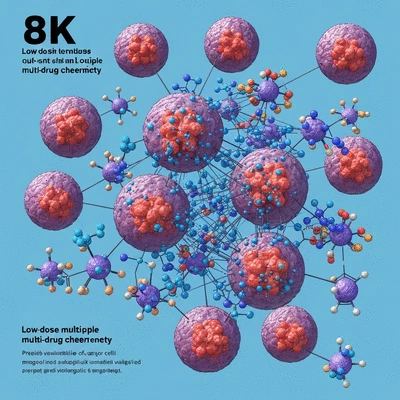
This visual highlights key advancements and shifts in chemotherapy treatments, focusing on how new protocols, multi-drug approaches, and precision oncology are transforming patient care.
Treatments are now based on individual genetic profiles, enhancing efficacy and reducing side effects.
Smaller doses of multiple drugs simultaneously, reducing toxicity while maintaining effectiveness.
Focuses on tumor's genetic makeup to select effective drugs, minimizing unnecessary toxicity.
As we continue on the journey of cancer treatment, it’s essential to stay informed about the latest advances in chemotherapy. These innovations are not just altering treatment protocols; they are reshaping the entire landscape of cancer care! At Types of Chemotherapy, we aim to empower patients and caregivers with the knowledge they need to navigate these changes confidently.
The world of chemotherapy is witnessing groundbreaking innovations that significantly enhance treatment outcomes. Recent protocols are designed to increase efficacy while minimizing side effects, which is a crucial concern for many patients. For instance, the integration of personalized medicine into chemotherapy regimens is becoming more common, allowing treatments to be catered to individual patient profiles. You can explore more about these future developments, including advancements expected in 2026, through resources like the American Association for Cancer Research.
These innovations aim to provide a more targeted approach to treatment, ultimately improving patient outcomes and experiences. It’s inspiring to see how these changes can lead to better quality of life during such challenging times.
One exciting advancement in chemotherapy is the concept of low-dose multi-drug chemotherapy. This approach involves administering smaller doses of multiple drugs simultaneously, which can enhance effectiveness while reducing side effects. Protocols like G-FLIP are at the forefront of this movement, showing promising results in various cancers. For example, some approaches are reducing the need for extensive chemotherapy, as highlighted by MD Anderson Cancer Center's research on new treatment combinations.
The benefits of low-dose multi-drug chemotherapy are significant, especially for patients who may have previously struggled with higher doses. It’s a reassuring development that can help patients feel more in control during their treatment journey.
The evolution of chemotherapy drugs, particularly through the lens of precision oncology, is a game-changer in cancer treatment. By focusing on the specific genetic and molecular makeup of a patient’s tumor, oncologists can select drugs that are more likely to be effective. This approach not only enhances efficacy but also reduces unnecessary toxicity. Advances in this area are continuously being made, with institutions like Memorial Sloan Kettering Cancer Center exploring new treatments for colorectal cancer planned for 2025 and beyond.
The shift towards precision oncology represents a significant leap in our understanding of cancer treatment. It empowers patients to engage more actively with their treatment options, fostering a collaborative relationship between patients and healthcare providers.
As we delve deeper into the advancements in chemotherapy, the focus on combination therapies is shining brightly. These therapies are revolutionizing treatment options and providing hope for better outcomes.
When discussing treatment options with your oncologist, consider asking about the latest developments in combination therapies. These therapies not only enhance the effectiveness of treatment but may also provide you with more personalized care tailored to your specific cancer type. Staying informed about these advances can empower you to make better decisions regarding your treatment journey.
Personalized medicine tailors cancer treatments to an individual's unique genetic profile, aiming to enhance effectiveness and minimize side effects. This approach helps in selecting drugs that are most likely to work for a specific patient's cancer.
Low-dose multi-drug chemotherapy involves administering smaller doses of multiple drugs simultaneously. This strategy reduces overall toxicity and side effects, making the treatment more manageable for patients while maintaining its effectiveness against cancer cells.
Precision oncology focuses on the specific genetic and molecular characteristics of a patient's tumor. By understanding these unique features, oncologists can select targeted therapies that are more effective and cause fewer side effects than traditional chemotherapy.
Combination therapies use multiple drugs together to attack cancer cells through different pathways. This approach can increase the overall effectiveness of treatment, reduce the chance of drug resistance, and potentially lead to better outcomes for patients.
Patients can engage by researching recent advancements, preparing questions for their healthcare providers, discussing participation in clinical trials for innovative therapies, and connecting with support groups. Staying informed and proactive is key to a personalized and effective treatment experience.
As we look to the horizon of cancer treatment, it's clear that the advancements in chemotherapy are not just changes; they are transformative shifts in how we approach patient care. New protocols, like low-dose multi-drug chemotherapy and combination therapies, promise to enhance treatment efficacy while minimizing side effects. These innovations signal an era where personalized treatment becomes the norm, leading to better outcomes for patients.
These changes are not just about technical improvements; they address the emotional and psychological needs of patients as well. Empowering patients with knowledge and options helps them feel more in control of their treatment journey. By understanding these new advancements, patients can engage more actively with their healthcare teams to make informed decisions that suit their unique situations.
Staying informed about the latest developments in chemotherapy is essential for anyone navigating a cancer diagnosis. I encourage you to have conversations with your healthcare provider about the new options available to you. Here are a few ways you can engage:
By taking these steps, you not only enhance your understanding of treatment options but also contribute to a more personalized and effective healthcare experience. Remember, the more informed you are, the better prepared you will be to advocate for your needs and preferences during treatment!
Patient advocacy is vital in our quest for better chemotherapy treatments. It plays a crucial role in ensuring that patients have access to the latest therapies, understanding their rights, and receiving the support they need. As someone who has witnessed the impact of knowledge firsthand, I believe that advocating for oneself can significantly improve quality of life during cancer treatment.
Here are some key ways patient advocacy enhances chemotherapy access:
As we move forward in this evolving landscape of chemotherapy, it's essential to embrace the role of advocacy. Together, we can ensure that every patient has access to the best options available, enhancing their journey through cancer treatment.
Here is a quick recap of the important points discussed in the article:
By Dr. Elise Carter / Jan 28
By Dr. Elise Carter / Jan 28
By Dr. Elise Carter / Jan 25