

Support Resources During Chemotherapy
By Dr. Elise Carter / Jan 28
Have you considered how hair loss during chemotherapy can impact your emotional well-being? Understanding the intricacies of this journey can empower and prepare you as you navigate this sensitive aspect of treatment.
Understanding the causes, emotional impacts, and available support for chemotherapy-related hair loss can help patients navigate their treatment journey with greater confidence.
Chemotherapy can be a challenging journey, and one of the most visible side effects is hair loss. This can often be a distressing experience for patients. Understanding what causes hair loss during chemotherapy can help you navigate this part of your treatment with more confidence and clarity.
Hair loss occurs because chemotherapy drugs target rapidly dividing cells—this includes both cancer cells and healthy cells like those in your hair follicles. Not every chemotherapy regimen will result in hair loss, and the extent can vary widely among individuals. Knowing what to expect can sometimes ease the anxiety surrounding this change.
The primary mechanism behind hair loss during chemotherapy is the cytotoxic effect of the drugs used. Chemotherapy works by disrupting the cycle of cell division, but unfortunately, this can also affect the hair follicles. Here are key points to consider regarding this process:
While hair loss can be a temporary side effect, it can significantly impact how you feel during your treatment. Being aware of these causes can help you prepare mentally and emotionally for the changes ahead.
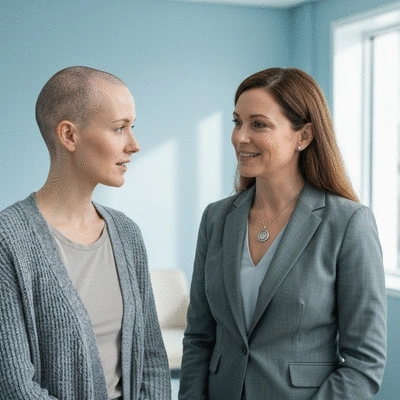
The emotional journey through cancer treatment can be daunting, and hair loss often brings additional psychological challenges. For many, hair is tied to their identity and self-image, making it a sensitive topic during treatment. It's common to feel a range of emotions, from sadness to frustration. Here are some of the psychological effects:
Connecting with support networks and sharing your experiences can be vital in managing these emotional challenges. Remember, you are not alone in this fight, and reaching out can provide comfort and understanding.
Your oncology team plays a crucial role in addressing hair loss concerns. They can offer guidance on treatment options and strategies to manage this side effect. Here’s how oncologists might assist:
Effective communication with your oncology team can empower you to take an active role in managing side effects like hair loss. By understanding your options, you can feel more in control as you navigate through treatment.
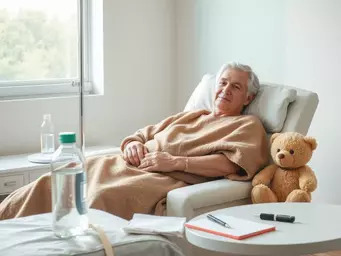
Did you know? Keeping a journal during your chemotherapy journey can be incredibly beneficial. Writing down your thoughts and feelings not only helps you process your emotions but also allows you to track changes in your experience over time. This reflective practice can empower you and provide valuable insights to share with your healthcare team.
As you navigate through the challenges of chemotherapy-related hair loss, it’s important to remember that you’re not alone. Building a support network can be a tremendous source of strength and comfort. Have you thought about reaching out to friends, family, or even fellow patients who understand what you’re going through? By sharing experiences and feelings, you can foster a sense of community that can uplift you during tough times.
Connecting with others provides opportunities to embrace change positively. Consider joining local support groups or engaging with online communities focused on cancer care. These resources allow for open discussions about hair loss and treatment experiences, creating a safe space to express emotions. Isn’t it comforting to know there are people who truly understand the journey you’re on?
Finding reliable resources can make a significant difference in your journey. There are many organizations dedicated to providing both emotional support and practical advice for patients facing hair loss. These resources can help you feel more equipped to deal with the changes you’re experiencing. Here are some valuable options to explore:
Each of these avenues can provide not just information but also a sense of belonging. At Types of Chemotherapy, our mission is to empower you with knowledge and support, helping you find your path forward with confidence. Have you taken the time to consider which resources might resonate most with you?
As you learn more about the options available, taking proactive steps can make a difference in how you manage hair loss during treatment. Engaging with expert advice is crucial, and here are some practical actions to consider:
Connecting with experts and peers allows you to learn from their stories and victories, offering valuable insights that can enhance your own experience. Have you thought about how these ideas could help you feel more in control during your treatment journey?
Self-care plays a vital role in maintaining your well-being during treatment. Consider incorporating positive affirmations into your daily routine. Reminding yourself of your strength and resilience can help shift your mindset and bolster your confidence. Here are a few ideas to inspire your self-care practices:
Integrating these self-care strategies not only helps you cope with hair loss but also nurtures your overall health. At Types of Chemotherapy, we believe that taking small steps in self-care empowers you to embrace your journey. How might these practices enhance your daily life during chemotherapy?
In addition to traditional methods, many find comfort in exploring holistic approaches to support hair restoration. This can involve natural remedies that nourish your body from within. You might consider:
These holistic approaches can complement your treatment plan and help you feel empowered as you work towards hair restoration. Have you found any particular methods that resonate with you on this journey? Remember, every small step counts as you navigate this path to healing.
Hair loss during chemotherapy is primarily caused by the cytotoxic effects of the drugs, which target rapidly dividing cells, including those in hair follicles. These drugs disrupt the cell division cycle, leading to hair thinning or loss.
No, not all chemotherapy regimens result in hair loss. The extent of hair loss can vary widely depending on the specific type of chemotherapy drugs used, their dosage, and individual patient factors such as genetics and overall health.
Hair loss can significantly impact emotional and psychological well-being. It may lead to feelings of diminished self-worth, a loss of identity, increased anxiety due to visible changes, and even social isolation, as hair is often tied to personal image and identity.
Your oncology team is crucial in managing hair loss. They provide education about what to expect, discuss supportive therapies like scalp cooling, and connect patients with counselors or support groups to help them cope with the psychological effects.
Practical steps include consulting with your oncologist for personalized recommendations, exploring headwear options such as wigs, scarves, or hats, and researching case studies to gain insights from others' experiences. Building a strong support network is also highly beneficial.
Here is a quick recap of the important points discussed in the article:
By Dr. Elise Carter / Jan 28
By Dr. Elise Carter / Jan 28
By Dr. Elise Carter / Jan 25