


Support Resources During Chemotherapy
By Dr. Elise Carter / Jan 28
What if the secret to a smoother chemotherapy experience lies in what you eat and drink? The right nutritional choices can not only alleviate side effects but also empower you during your treatment journey.
Understanding the critical role of nutrition and hydration during chemotherapy treatment is key to managing side effects and supporting recovery.
When undergoing chemotherapy, nutrition often takes a back seat in the minds of many patients. However, understanding the importance of nutrition during treatment is crucial for managing side effects and fostering a sense of well-being. As someone who has dedicated years to oncology, I've seen firsthand how vital good nutrition can be for patients navigating this challenging journey. The National Cancer Institute provides valuable resources on managing side effects through nutrition, emphasizing its critical role.
Incorporating the right nutrients can help mitigate some of the harsh side effects of chemotherapy, from nausea to fatigue. This isn't just about eating more; it's about making informed choices that support your body during treatment. Have you considered how your diet might impact your recovery?
Nutrition plays a pivotal role in managing the side effects of chemotherapy. During treatment, many patients experience symptoms like nausea, loss of appetite, and fatigue, all of which can be exacerbated by poor dietary choices. Eating a balanced diet, as recommended by Stanford Healthcare's cancer nutrition services, can help alleviate these symptoms and make the treatment process more tolerable.
By focusing on these food groups, patients can better manage side effects, which might improve their overall treatment experience. Have you thought about which foods make you feel the best?
What many might not realize is that the right nutrition not only supports the body during treatment but also plays a significant role in recovery. Proper nutrition can boost your immune system, enhance energy levels, and improve your overall mood. With a strong foundation, you may find that your body can handle the stresses of chemotherapy more effectively.
I've witnessed patients who prioritize nutrition feel more empowered and in control of their treatment. Have you considered keeping a food diary to track how different foods affect your well-being?
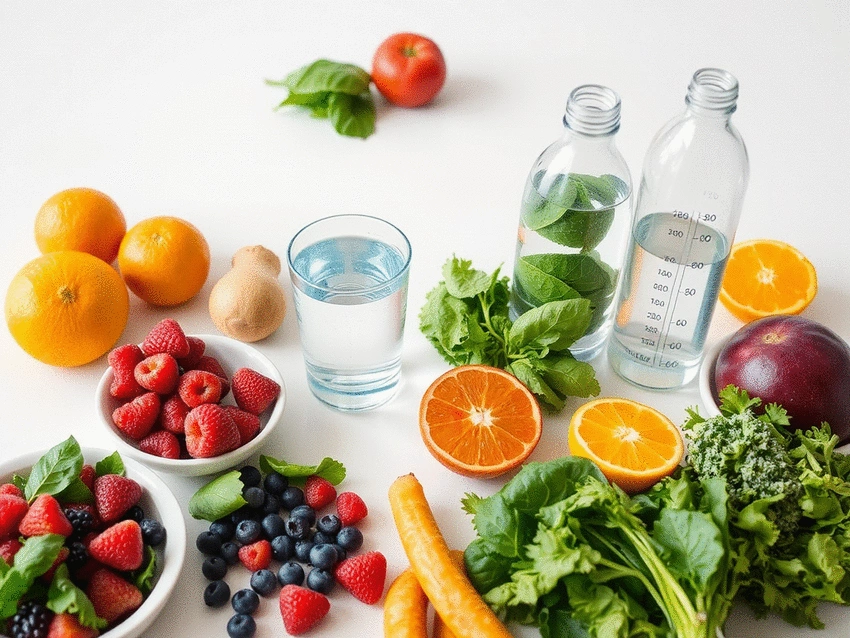
Antioxidants and vitamins can also contribute positively to recovery during chemotherapy. These nutrients help combat oxidative stress and support cellular repair. Foods rich in antioxidants, such as berries, leafy greens, and nuts, should be integrated into your diet. For a comprehensive understanding of clinical nutrition in cancer, the ESPEN practical guideline offers detailed insights.
Including these nutrients can make a meaningful difference in your journey. What small changes can you make to incorporate more of these foods into your daily meals?
Did you know? Keeping a food diary can significantly enhance your understanding of how different foods affect your body during chemotherapy. Tracking your meals and any symptoms can help you identify which foods boost your energy, alleviate nausea, or improve your mood. Consider making this a daily habit to empower your nutrition choices!
Hydration is crucial during chemotherapy, as it helps your body cope with treatment and manage side effects. Have you ever thought about how dehydration might affect your recovery? Staying well-hydrated can not only alleviate some symptoms but also enhance your overall well-being. Here are some key reasons why hydration matters:
Recognizing the signs of dehydration early can be a game changer. Common symptoms include dry mouth, decreased urine output, and dizziness. Awareness of these signs can empower you to take swift action!
As a board-certified oncologist, I often remind my patients that staying hydrated is especially vital during chemotherapy. Dehydration can exacerbate side effects, making the treatment journey even more challenging. Did you know that some chemotherapy drugs can increase the risk of dehydration? That's why maintaining adequate fluid intake is essential.
Incorporating electrolytes and water-rich foods into your diet can significantly support your hydration efforts. Some of my favorite recommendations include:
Pairing these foods with regular water intake can make a noticeable difference. Have you thought about how simple changes to your diet can enhance your hydration levels?
When it comes to hydration beverages, not all options are equal. While plain water is fantastic, you might find variations more appealing during treatment. Here are some beverages to consider:
Paying attention to your hydration choices can make your treatment experience more comfortable. Remember, every little effort counts on your journey toward recovery!
Here is a quick recap of the important points discussed in the article:
By Dr. Elise Carter / Jan 28
By Dr. Elise Carter / Jan 28
By Dr. Elise Carter / Jan 25