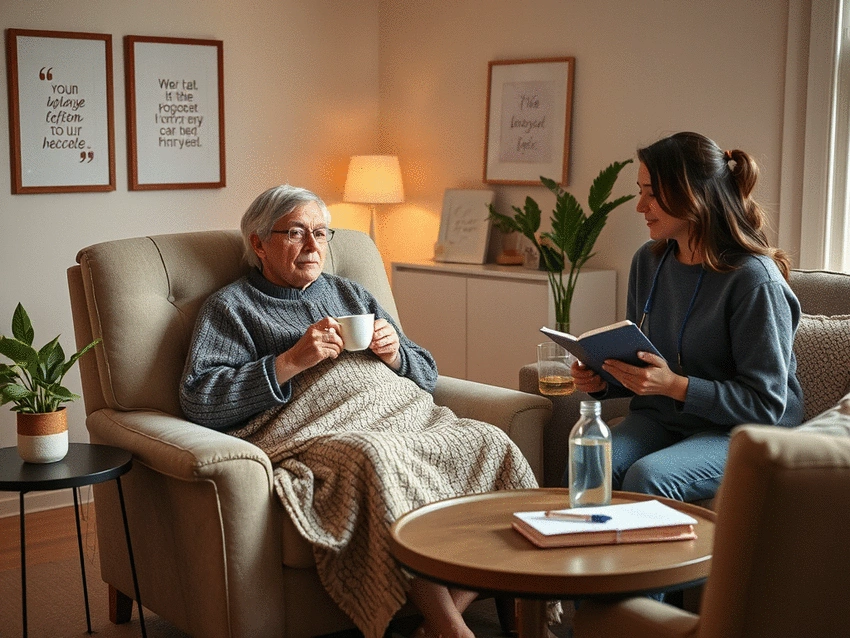

Support Resources During Chemotherapy
By Dr. Elise Carter / Jan 28
When navigating the chemotherapy journey, the importance of comfort for patients and caregivers cannot be overstated. How much could understanding and addressing comfort needs enhance the overall treatment experience and emotional well-being?
Understanding and addressing comfort needs during chemotherapy is a crucial process involving clear steps for patients and caregivers. Below is a visual representation of this journey.
When navigating the chemotherapy journey, understanding comfort needs is crucial for both patients and caregivers. At Types of Chemotherapy, we believe that maximizing comfort can significantly enhance the quality of life during treatment. Have you ever considered how much your comfort level can influence your overall experience?
Comfort isn’t just about physical well-being; it encompasses emotional and psychological aspects as well. Patients often face a challenging road, and feeling secure and supported can make all the difference in their treatment journey.
Maximizing comfort is essential because each individual's experience with chemotherapy is unique. For many, the side effects can be daunting, leading to feelings of anxiety and uncertainty. Understanding and addressing these comfort needs helps not only the patient but also the caregivers, who play a vital role in providing support.
Here are some reasons why focusing on comfort is crucial:
Each of these factors contributes to a smoother treatment process and a more positive outlook. Have you thought about how comfort can impact your ability to cope during chemotherapy?
Understanding the common side effects of chemotherapy can help patients and caregivers prepare. Some of the most prevalent side effects include: common chemotherapy side effects such as nausea, vomiting, and fatigue. Other potential effects can include mouth sores and changes in appetite, which are important to monitor.
These symptoms can significantly affect emotional and physical well-being. What if you could address these side effects before they become overwhelming? Knowing what to expect allows for proactive management, which can lead to better overall comfort during treatment. For more comprehensive information on managing these effects, resources like the Mayo Clinic's guide to chemotherapy can be invaluable.
Emotional well-being is an often-overlooked aspect of the chemotherapy experience. It’s not unusual for patients to feel isolated or anxious during treatment. That’s why at Types of Chemotherapy, we encourage patients and caregivers to adopt strategies that support mental health.
Some effective strategies include:
By focusing on emotional health, patients can cultivate resilience and find strength in their journey. Have you considered how these small steps can create a significant impact on your overall comfort?
What do you think about your comfort strategies during chemotherapy? Share your thoughts below:
Maximizing comfort during chemotherapy is crucial for both patients and caregivers. It’s about creating a supportive environment that addresses both the physical and emotional challenges of treatment. One effective approach is to develop a personalized comfort plan tailored to individual needs. This plan can encompass various aspects such as nutrition, hydration, rest, and emotional support.
As a board-certified oncologist, I understand how overwhelming treatment can feel. Having been a part of many patients' journeys, I emphasize that a structured plan not only promotes comfort but also fosters a sense of control during a time that may feel unpredictable. Here are some essential components to consider when creating a personalized comfort plan:
By mapping out these elements, patients and caregivers can work together to ensure all bases are covered, leading to a more manageable treatment experience.
Collaboration between patients and caregivers is vital in the journey through chemotherapy. It’s a partnership built on communication and mutual understanding. Caregivers can play an instrumental role in implementing the comfort plan and adapting it as needed. This approach not only enhances comfort but also strengthens the bond between patients and caregivers.
To promote effective collaboration, consider the following strategies:
These steps can help create a supportive environment that empowers both patients and caregivers, ensuring that no one feels alone during treatment. Remember, it’s all about working together to navigate the complexities of chemotherapy with confidence!
Here is a quick recap of the important points discussed in the article:
By Dr. Elise Carter / Jan 28
By Dr. Elise Carter / Jan 28
By Dr. Elise Carter / Jan 25