

Support Resources During Chemotherapy
By Dr. Elise Carter / Jan 28
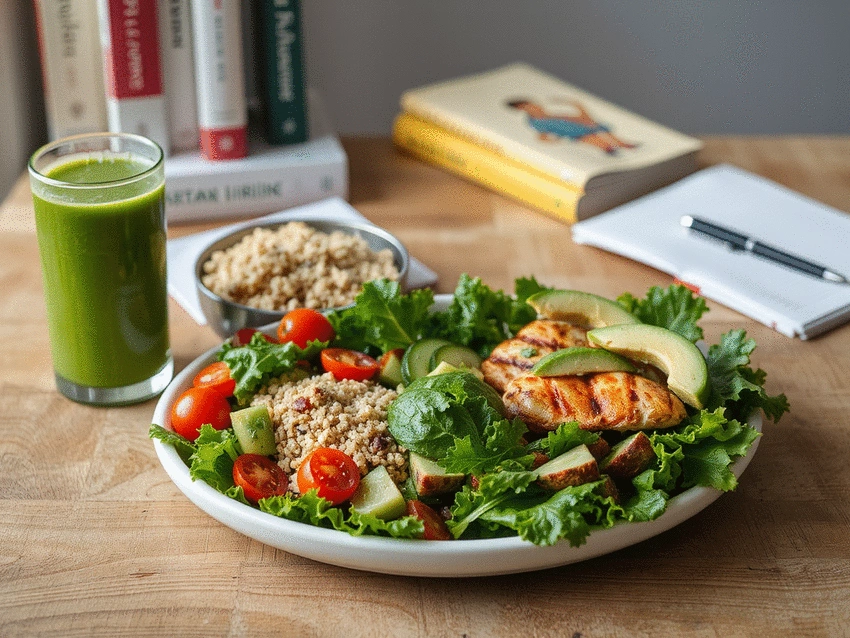
Have you ever paused to consider how your meals could be an integral part of your chemotherapy journey? Nutrition isn’t just about sustenance; it’s a powerful tool that can enhance treatment effectiveness and support recovery. Let’s explore how the right dietary choices can empower you during this critical time.
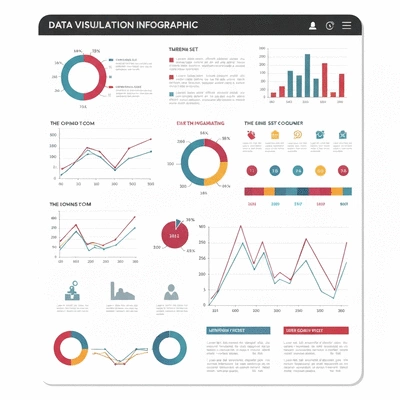
Understanding how nutrition and lifestyle impact chemotherapy is crucial for patients. The visual below highlights the critical areas that influence treatment effectiveness and recovery.
As a board-certified oncologist, I’ve seen firsthand how nutrition plays a critical role in enhancing the effectiveness of chemotherapy treatments. It’s not just about what you eat; it’s about how your diet can influence your body’s response to treatment. Proper nutrition can help improve treatment outcomes, reduce side effects, and support recovery.
During chemotherapy, your body undergoes significant changes, and the nutrients you consume can either support or hinder your treatment journey. For instance, a well-balanced diet can help maintain your strength and energy levels, which is essential for coping with the side effects that many patients face.
Research indicates that adequate nutrition can significantly impact treatment effectiveness. Proper nutritional support helps your body withstand the rigors of chemotherapy by enhancing immune function and promoting healing. Here are some key ways nutrition influences chemotherapy outcomes:
By focusing on nutrition, you can take an active role in your treatment plan. Have you considered how your meals can support your chemotherapy journey? Making informed dietary choices can empower you and foster a sense of control.
Malnutrition is a serious concern for chemotherapy patients. It can lead to complications that may delay treatment or diminish its effectiveness. Regularly assessing your nutritional status is vital, as it allows healthcare providers to tailor dietary recommendations and interventions. Here are some key reasons why monitoring nutrition is crucial:
As I work with patients at Types of Chemotherapy, I emphasize the importance of nutrition as part of the overall care plan. Are you aware of your nutritional needs during this time? Regular check-ins with your healthcare team can help you stay on track.
Now that we've established the connection between nutrition and chemotherapy outcomes, let’s explore some dietary strategies that can enhance the effectiveness of your treatment. Focusing on the right nutrients is essential for supporting your body through chemotherapy.
When undergoing chemotherapy, certain macronutrients and micronutrients become particularly important. Here are some nutrients that can support your treatment:
Incorporating these nutrients into your diet can help fortify your body during chemotherapy. Have you thought about your current intake of these essential vitamins and minerals? Keeping track of your nutrition could significantly benefit your treatment experience.
Creating a practical meal plan can make a big difference in supporting your treatment. Here are some dietary recommendations and supplements that can be beneficial:
As you navigate your treatment, think about incorporating these dietary interventions into your routine. They can serve as vital tools in supporting your health. Have you developed a meal plan that reflects these suggestions?
Combining proper nutrition with regular exercise can significantly enhance your chemotherapy experience. Studies suggest that physical activity can improve treatment results, particularly concerning relative dose intensity (RDI) and pathological complete response (pCR). This is further supported by research from sources like ascopubs.org and academic.oup.com, which highlight the benefits of exercise during cancer treatment. Here’s how exercise supports your journey:
Have you considered incorporating light exercise into your routine? Even gentle activities like walking or yoga can make a world of difference in how you feel during treatment.
We'd love to hear about your experiences! Which dietary strategy have you found most helpful during your chemotherapy treatment?
As we’ve explored, nutrition plays a vital role in influencing chemotherapy outcomes. A well-rounded nutritional strategy can significantly enhance treatment effectiveness and promote recovery. By focusing on essential nutrients, patients can potentially improve their overall treatment experience and bolster their resilience during this challenging journey.
Understanding these connections empowers patients and caregivers to take proactive steps towards better health. It’s essential to view nutrition not just as a support system, but as a crucial component of the entire treatment plan.
Taking charge of your nutrition can lead to improved health outcomes during chemotherapy. I encourage you to consult with healthcare professionals for personalized nutrition advice tailored to your unique needs. Incorporating dietary adjustments may enhance your chemotherapy experience and help you feel more empowered throughout this journey.
Have you considered what changes you might make to your diet? Small adjustments can lead to significant improvements! Whether it's including more fruits and vegetables or exploring new recipes rich in essential nutrients, every step counts in supporting your health.
By addressing these common concerns, we hope to further engage you in the conversation about nutrition and its impact on chemotherapy. Remember, you are not alone in this journey, and being informed can make a world of difference!
Here is a quick recap of the important points discussed in the article:
By Dr. Elise Carter / Jan 28
By Dr. Elise Carter / Jan 28
By Dr. Elise Carter / Jan 25